Veterinary Emergency and Critical Care
When your pet faces a sudden health crisis, every second counts. That’s why our veterinary team is dedicated to providing immediate, compassionate, and expert emergency care to give your pet the best chance at recovery. Emergencies can happen at any time, and knowing how to respond can save your pet’s life.
Recognizing a Veterinary Emergency
Pets can’t always tell us when something is wrong, but certain signs should never be ignored. If your pet experiences any of the following symptoms, seek veterinary attention right away:
- Trauma or injuries: Falls, bites, car accidents, or any significant wound that won’t stop bleeding.
- Breathing difficulties: Rapid, labored, or noisy breathing, or any signs of choking.
- Pale gums or sudden changes in gum color: A sign of blood loss or poor circulation.
- Weakness or sudden collapse: Difficulty standing, walking, or signs of paralysis.
- Seizures or loss of consciousness: Convulsions, tremors, or unresponsiveness.
- Repeated vomiting or diarrhea: Especially if accompanied by lethargy, dehydration, or loss of appetite.
- Bloated or distended abdomen: Attempts to vomit without producing anything, which could indicate a life-threatening emergency.
- Difficulty urinating or complete blockage: Straining without success, blood in urine, or frequent attempts to urinate.
- Eye or facial issues: Swelling, discharge, redness, or sudden vision changes.
- Coughing : Could indicate respiratory distress, heart failure or infection.
- Behavioral changes: sudden lethargy, depression, anxiety, changes in appetite or drinking habits.
- Evidence of pain: Restlessness, whining
Immediate Assessment and Stabilization
Upon arrival, our trained staff quickly evaluates your pet’s condition. We prioritize the most critical cases through a thorough triage process to ensure rapid intervention. Initial stabilization may include:
- Oxygen therapy for respiratory distress
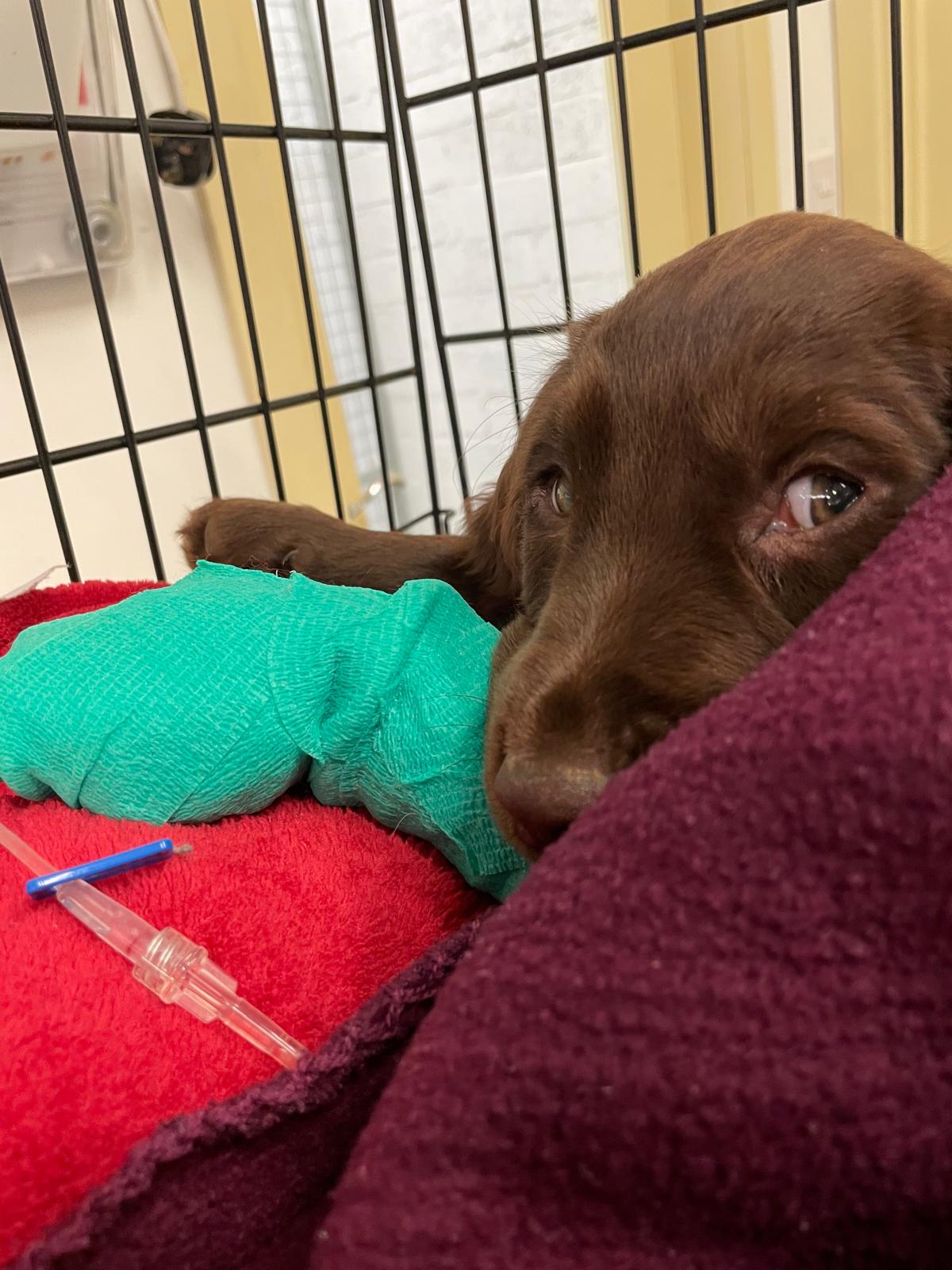
- IV fluids to support circulation and hydration
- Pain management to relieve discomfort
- Emergency medications as needed
Diagnostic Capabilities
After initial stabilization, our team performs targeted diagnostic tests to identify the underlying cause and guide treatment. Depending on your pet’s needs, this may include:
- Bloodwork and biochemistry panels
- Imaging studies (X-rays or ultrasound)
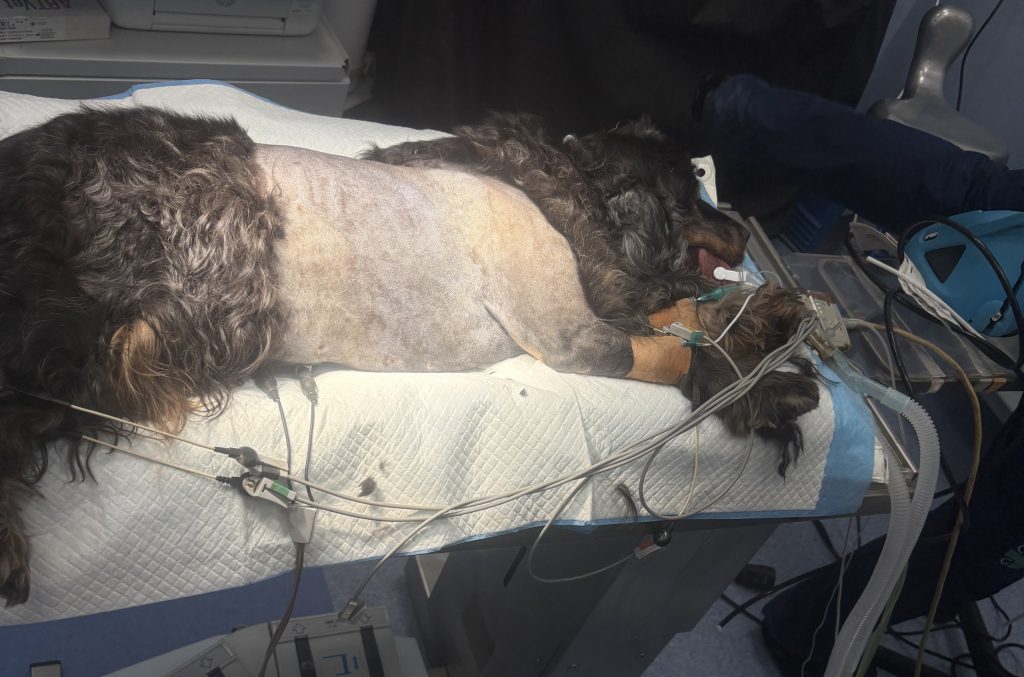
- Electrocardiograms (ECG)
- Ultrasound: T-fast/A-fast
- Urinalysis or cytology
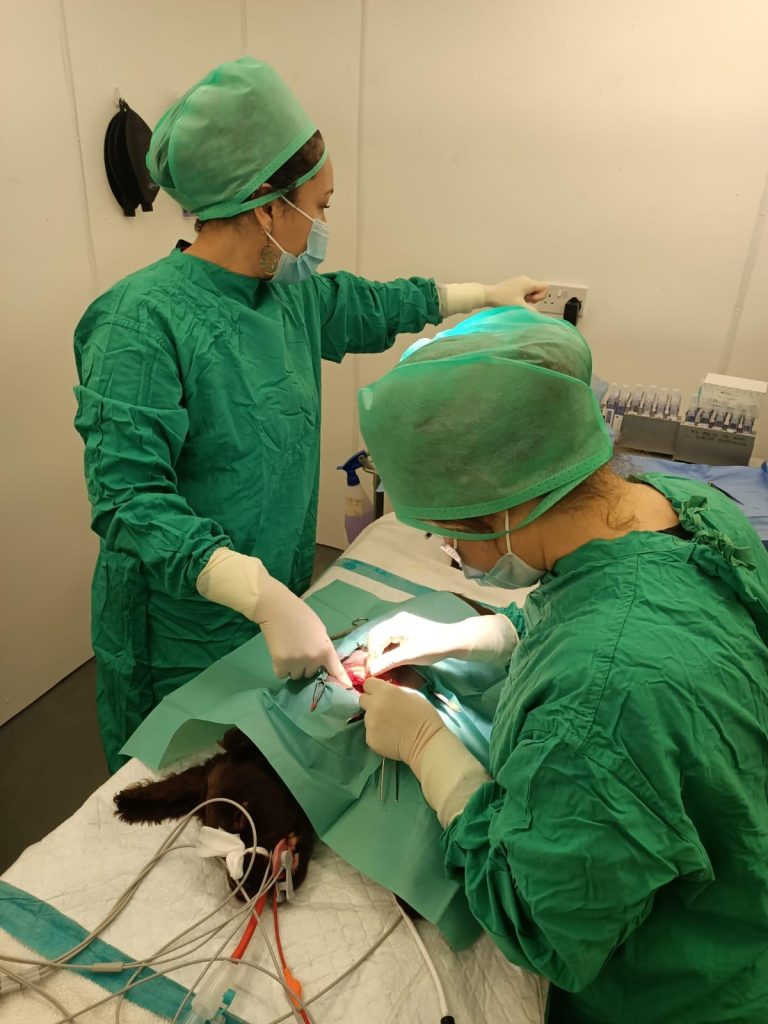
- emergency surgery when needed
Compassionate Support Every Step of the Way
We know that emergencies can be overwhelming for both pets and their families. Our team is dedicated to providing not only medical expertise but also clear communication and compassionate support. We’ll keep you informed throughout the process, explaining test results, treatment options, and what to expect during and after your pet’s care. If the emergency happens after hours, we are part of the Pet Emergency Hospital.
The Pet Emergency Hospital, located within the UCD Veterinary Hospital in Belfield, Dublin 4, provides dedicated out‑of‑hours emergency care for pets across Dublin and surrounding areas. They operate weeknights from 6 pm to 8 am, and 24 hours on weekends and bank holidays, ensuring continuous support when regular clinics are closed.
please contact : 012609920 if you have an emergency after hours.