Personalized Veterinary Care That Puts Your Pet First
Every pet is more than just an animal—they’re family. That’s why at our clinic, we go beyond standard treatment. We offer truly personalized care designed to meet your pet’s specific needs and ensure their long-term health and comfort.
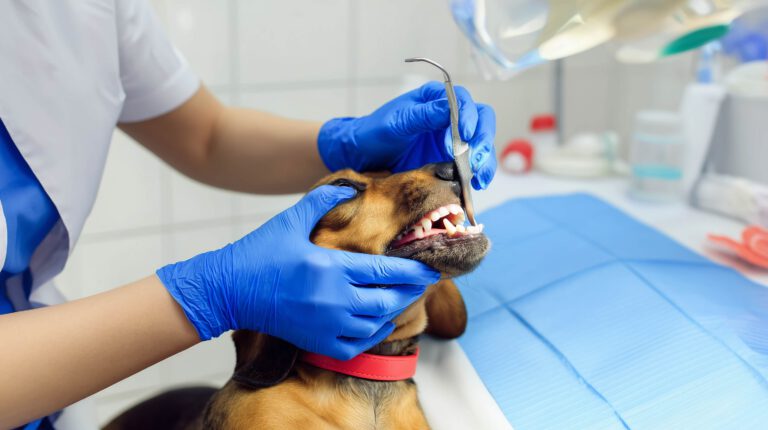
From preventive care to advanced diagnostics and treatment, our team of experienced veterinarians is committed to offering medical excellence with a compassionate touch. We understand that a calm, gentle environment makes a difference, and we work closely with pet owners to build trust at every step.
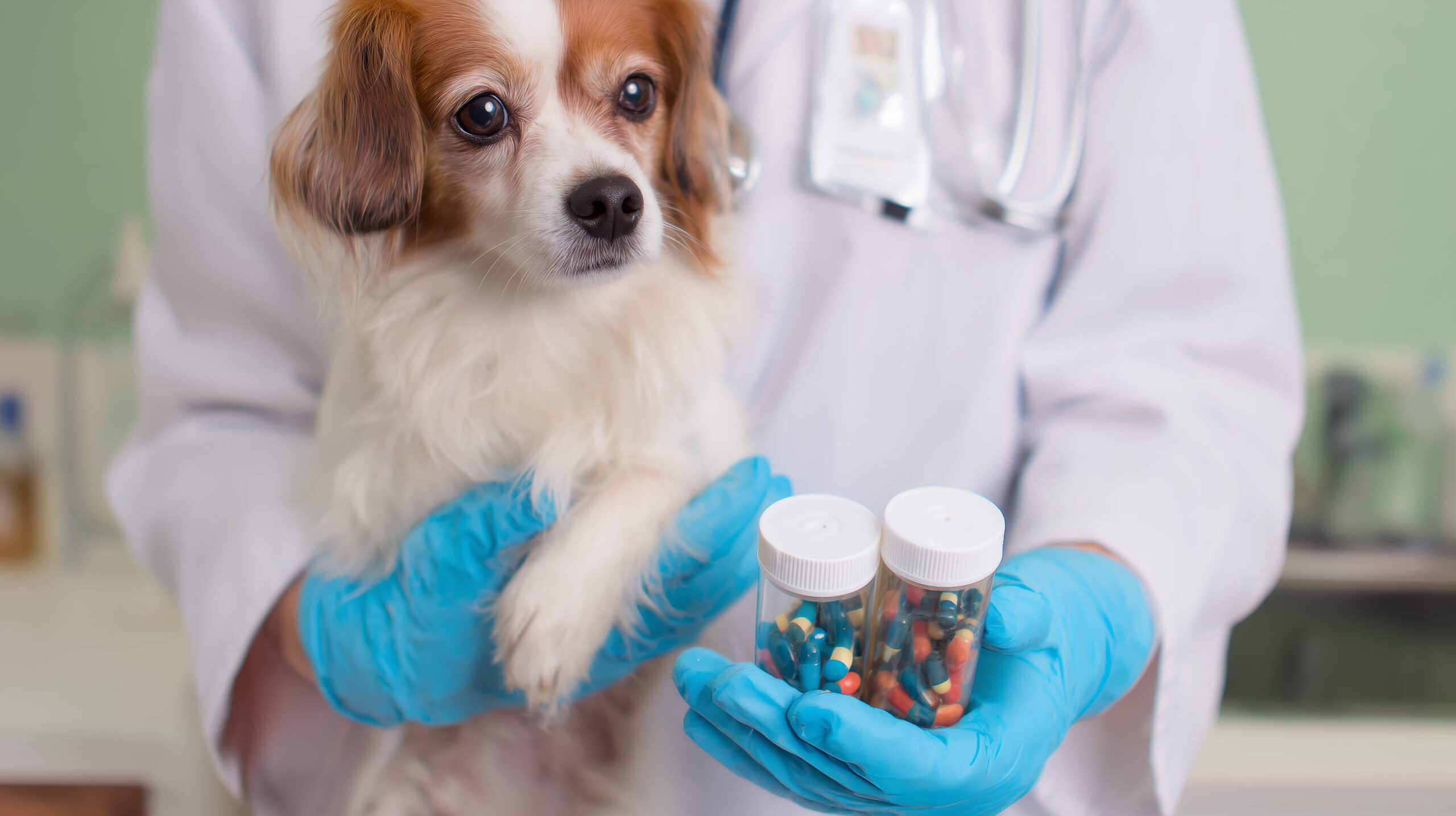
Our in-house pharmacy gives you immediate access to essential medications and special diets, helping you manage everything from short-term recovery to chronic conditions without delays. And we’ll make sure you feel confident caring for your pet at home, including how to properly administer any necessary medications.

How to Know When It’s Time for a Vet Visit
As a pet parent, you’re usually the first to notice when something feels off. If your pet shows changes in behavior, appetite, water intake, weight, or bathroom habits, don’t wait. Book a check-up—even subtle shifts can signal an underlying issue. Early detection leads to better outcomes and lower stress (for everyone).
What We Treat: From Critical Conditions to Everyday Concerns
We’re equipped to handle a wide range of health issues—whether they appear suddenly or develop over time. These are some of the most common conditions we treat, organized by clinical importance:
- Cancer
- Heart conditions (dilated cardiomyopathy, hypertrophic cardiomyopathy, heart murmurs, congestive heart failure, mitral valve insufficiency, tricuspid valve insufficiency)
- Seizures and epilepsy (neurological disorders caused by abnormal brain activity)
- Kidney disease (especially chronic renal failure in cats, leading to toxin buildup)
- Liver and gallbladder disorders (portosystemic shunts, cirrhosis, chronic hepatitis, biliary mucocele)
- Immune-mediated diseases (immune-mediated hemolytic anemia [IMHA], systemic lupus erythematosus [SLE], and related conditions where the immune system attacks healthy tissues)
- Cushing’s disease (hyperadrenocorticism – excessive cortisol production by the adrenal glands)
- Addison’s disease (hypoadrenocorticism – insufficient production of adrenal hormones)
- Diabetes mellitus (chronic high blood sugar caused by insulin issues)
- Thyroid disorders (hyperthyroidism – overactive thyroid; hypothyroidism – underactive thyroid)
- Pancreatitis (inflammation of the pancreas, often with vomiting and lethargy)
- Bone fractures (trauma-related or pathological)
- Arthritis and DJD (degenerative joint disease, chronic joint inflammation and degeneration)
- Lameness and joint issues (cranial cruciate ligament rupture, patellar luxation, hip dysplasia, elbow dysplasia, intervertebral disc disease [IVDD])
- Dermatological conditions (allergies, atopic dermatitis, hot spots, pyoderma)
- Infections (bacterial, yeast, and fungal infections including dermatophytosis/ringworm)
- Abscesses and wound infections
- Ear conditions (otitis externa, ear mites, aural hematomas)
- Eye conditions (corneal ulcers, meibomian gland adenomas, conjunctivitis, glaucoma, cataracts, keratoconjunctivitis sicca [KCS or dry eye])
- Digestive disorders (diarrhea, parasites, bacterial overgrowth, exocrine pancreatic insufficiency [EPI], inflammatory bowel disease [IBD])
- Gastrointestinal diseases (enteritis, gastroenteritis, colitis)
- Urinary tract disorders (urinary tract infections [UTIs], bladder stones, polyps, incontinence, vaginitis, urinary obstructions)
- Feline lower urinary tract disease (FLUTD) (a group of conditions affecting the bladder and urethra in cats)
- Obesity and weight management (nutrition, metabolic monitoring, lifestyle planning)
- Skin masses and lipomas (benign or malignant growths, including fatty tumors)
- Cognitive dysfunction (age-related decline similar to dementia or “doggy Alzheimer’s”)
- Vomiting (acute or chronic; from diet, toxins, infections, or internal disease)
- Routine vaccinations (core and lifestyle vaccines, deworming, preventive checkups)
Let’s Work Together for a Healthier Pet
You know your pet best. If something feels off—or if it’s just time for a checkup—we’re here to help. Book an appointment today and let’s make sure your companion gets the care they deserve.